
How Can Custom Packaging Design Transform Your Small Business Into a Market Leader?
The Critical Role of Professional Packaging in Small Business Success
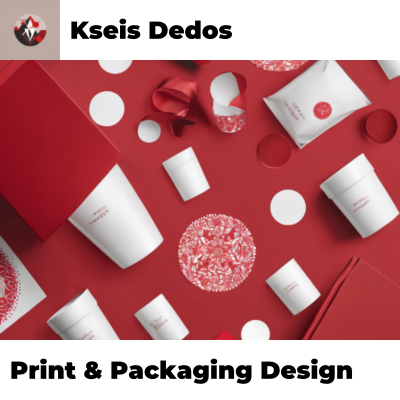
Small businesses operate within incredibly competitive marketplaces where first impressions genuinely matter. When customers encounter products on shelves or receive packages at their doorsteps, those initial moments create lasting impressions that determine whether repeat purchases occur. The reality is this: packaging functions as silent salesmanship, communicating brand values before words are ever spoken.
Consider the psychological mechanisms at work. A thoughtfully designed package triggers emotional responses. Texture matters. Color psychology influences purchasing decisions. Typography creates personality. These elements combine to form what marketing professionals call "unboxing experience," yet most small business owners underestimate this critical touchpoint.
Understanding Packaging as Brand Communication
Packaging transcends basic product protection. It serves as your brand's ambassador when customers hold it in their hands. The materials selected, the layout chosen, the finishing touches applied—each decision broadcasts messages about quality, professionalism, and values. A small artisan soap company using kraft paper with hand-lettered labels communicates authenticity differently than one using glossy, mass-produced boxes. Neither approach is inherently superior; rather, alignment between packaging and brand identity determines effectiveness.
Small businesses frequently operate under misconceptions about packaging design. Many believe professional packaging is prohibitively expensive or unnecessary for their scale. Others assume generic templates suffice. These assumptions cost businesses significantly in lost market share and customer loyalty. When Kseis Dedos collaborates with small business owners, they discover that strategic packaging investment yields returns far exceeding initial costs.
Why Generic Solutions Fail Small Business Ambitions
The Limitations of Template-Based Packaging Approaches
Template-based packaging solutions flood the market. They're accessible, affordable, and immediately available. However, they create a fundamental problem: your packaging looks identical to competitors' packaging. Walking through any retail environment reveals this reality starkly. Dozens of products sit beside each other, visually indistinguishable except for minor label changes. This visual chaos benefits only the largest corporations with massive advertising budgets capable of overcoming packaging anonymity.
Small businesses require differentiation. When budgets are limited and customer acquisition costs are high, standing out becomes essential for survival. Custom packaging design addresses this directly by creating distinctive visual identities that cut through market noise. Consider these specific advantages:
- Visual Distinctiveness: Custom designs ensure your products appear unique compared to competitors sharing shelf space
- Brand Narrative Control: Every design element communicates intentional messages rather than generic defaults
- Customer Recall Enhancement: Memorable packaging designs increase the likelihood customers remember your brand when making repeat purchases
- Premium Perception: Thoughtfully designed packaging elevates perceived value, enabling higher price points
- Social Media Amplification: Distinctive packaging encourages customers to photograph and share products across social platforms
The psychological research supporting these advantages is substantial. Studies demonstrate that 94% of purchasing decisions are influenced by visual design elements. Furthermore, customers willing to share product photos on social media provide free marketing that far exceeds typical advertising budgets for small businesses.
How Packaging Design Impacts Customer Loyalty
Customer retention represents one of the most cost-effective growth strategies available to small businesses. Acquiring new customers costs approximately five times more than retaining existing ones. Yet packaging design influences customer retention profoundly through mechanisms many business owners never consider.
When customers receive products in beautifully designed, thoughtfully constructed packaging, they experience moments of delight. These positive emotions create psychological associations between your brand and quality. Subsequently, they're more inclined to purchase again. Furthermore, they're likely to recommend your products to friends and family. This word-of-mouth marketing becomes exponentially more valuable than paid advertising for small businesses operating with limited marketing budgets.
Discovering What Professional Packaging Design Actually Encompasses
The Multiple Components of Strategic Packaging Solutions
Professional packaging design involves far more than slapping a logo onto a box. It encompasses structural design, material selection, color psychology, typography, regulatory compliance, and production optimization. Each component demands specialized knowledge and creative expertise.
Structural Design Considerations:
- Determining optimal box dimensions that protect products while minimizing excess material costs
- Selecting appropriate material thicknesses and types based on product weight and fragility
- Creating functional closures that enhance user experience during opening and resealing
- Designing internal compartments or padding solutions that prevent product damage during shipping
- Planning for scalability as production volumes increase or business models evolve
Material Selection Processes:
The materials chosen communicate environmental consciousness or luxury positioning. Kraft paper suggests sustainability. Glossy finishes convey premium positioning. Recycled materials appeal to environmentally conscious consumers. Each material selection carries implications for production costs, environmental impact, and brand perception.
Visual Communication Elements:
Typography selection influences readability and brand personality. Serif fonts communicate tradition and reliability. Sans-serif fonts suggest modernity and efficiency. Color selections trigger specific psychological responses—blues create trust, reds stimulate urgency, greens associate with health. These aren't arbitrary choices; they're strategic decisions informed by color psychology research.
Regulatory Compliance and Practical Functionality
Small business owners often overlook regulatory requirements embedded within packaging design. Different product categories require specific labeling information, warnings, ingredient disclosures, and compliance markers. Food products require nutritional information and allergen declarations. Cosmetics require specific warning language. Electronics require safety information.
Non-compliance creates legal liability while simultaneously damaging brand credibility. Professional packaging designers maintain current knowledge of these requirements, integrating them seamlessly into overall design rather than treating them as afterthoughts.
Practical functionality represents another often-overlooked dimension. Packaging should facilitate product use. For example, bottles should include pour spouts that function properly. Boxes should open intuitively. Labels should include windows showcasing product qualities. These functional details separate amateur designs from professional solutions.
Evaluating Local Packaging Design Services and Their Advantages
Why Geographic Proximity Matters for Packaging Partnerships
Working with local packaging design services offers distinct advantages beyond convenience. Direct communication streamlines the design process. You can visit physical locations, examine material samples, and review production capabilities firsthand. This eliminates misunderstandings that frequently arise through remote-only interactions.
Local designers typically understand regional market preferences, cultural considerations, and competitive landscapes more intimately than distant competitors. They've invested time studying what sells in your specific market. This localized knowledge proves invaluable when making design decisions.
Evaluating Designer Capabilities and Portfolio Quality
Assessing packaging design capabilities requires examining portfolios carefully. Look for diversity—designers should demonstrate proficiency across multiple styles, industries, and product categories. If a designer specializes exclusively in luxury packaging, they may struggle optimizing for cost-conscious product categories. Conversely, designers experienced only with budget solutions might not understand premium market positioning.
Portfolio examination should include:
- Range of Industries: Look for experience across food, beauty, electronics, crafts, and other categories relevant to your business
- Production Quality Evidence: Portfolios should include final products, not just digital renderings, demonstrating actual production results
- Design Evolution: Examine how designers iterate and improve concepts rather than simply showing finished work
- Sustainability Integration: Modern consumers increasingly value eco-conscious packaging; designers should demonstrate experience here
- Small Business Experience: Specifically seek designers comfortable with small production runs and responsive to budget constraints
Building Effective Collaborations With Packaging Design Professionals
Preparing Your Business for Design Consultations
Entering packaging design consultations unprepared wastes both time and money. Professional designers need specific information to create relevant solutions. Gathering this information beforehand accelerates the process and ensures better outcomes.
Essential Information to Prepare:
- Clear Brand Definition: Written descriptions of your brand personality, values, and target market positioning
- Competitor Analysis: Examples of competitor packaging you want to differentiate from
- Customer Demographics: Detailed information about who purchases your products and their preferences
- Production Volume Projections: Estimated quantities you'll need initially and anticipated growth trajectories
- Budget Parameters: Realistic budget ranges so designers don't propose solutions exceeding financial capacity
- Timeline Requirements: When packaging needs to be finalized and production ready
- Product Specifications: Exact dimensions, weights, materials, and contents of products requiring packaging
- Special Requirements: Any regulatory compliance, sustainability commitments, or functionality needs
Designers encountering well-prepared clients can dedicate creative energy to solving design challenges rather than gathering baseline information. This preparation translates directly into faster timelines and higher-quality results.
Establishing Clear Communication Protocols
Design projects suffer most when communication breaks down. Establishing clear protocols prevents misalignment. Define how often updates will occur. Determine who within your business communicates with the designer. Specify decision-making processes so designers understand who has final approval authority.
Feedback should be specific rather than vague. Instead of saying "I don't like the colors," explain that the orange feels too energetic compared to your brand personality, or the green suggests environmental positioning that conflicts with your luxury market positioning. Specific
feedback enables designers to understand underlying concerns and propose targeted solutions rather than starting completely over.
The Iterative Design Process and Realistic Expectations
Packaging design rarely emerges perfectly formed from initial concepts. Professional designers work iteratively, creating multiple directions, gathering feedback, refining concepts, and progressively improving solutions. Understanding this process prevents frustration when designs aren't finalized immediately.
Typical design timelines include:
- Discovery Phase (1-2 weeks): Designer gathers information about your business, brand, products, and market positioning
- Concept Development (2-3 weeks): Designer creates multiple design directions exploring different visual approaches
- Refinement Phase (2-3 weeks): Based on feedback, designer refines selected concepts, adjusting colors, typography, and layouts
- Production Preparation (1-2 weeks): Designer prepares final files, coordinates with manufacturers, and addresses technical requirements
- Quality Assurance (1 week): Pre-production samples are reviewed to ensure digital designs translate accurately to physical production
This timeline assumes straightforward projects without major complications. Complex projects involving structural innovation or extensive regulatory compliance may require additional time.
Understanding Production Processes and Cost Optimization Strategies
How Design Decisions Directly Impact Production Economics
Designers who understand production processes create designs that optimize manufacturing efficiency while maintaining aesthetic excellence. This knowledge translates directly into cost savings without sacrificing quality.
Design Elements Affecting Production Costs:
- Color Quantities: Four-color process printing costs more than two-color printing; strategic color selection balances visual impact with production expenses
- Finishing Techniques: Spot varnish, foil stamping, embossing, and die-cutting add visual premium but increase per-unit costs
- Material Selection: Substrate thickness, finish type (matte, gloss, textured), and recycled content affect both aesthetics and pricing
- Structural Complexity: Elaborate die-cuts, custom box structures, and integrated compartments increase manufacturing complexity and costs
- Minimum Order Quantities: Different printing techniques have different minimum order requirements; understanding these prevents over-purchasing
Professional designers maintain relationships with manufacturers and understand their capabilities intimately. They know which finishes particular manufacturers excel at producing. They understand which material combinations yield optimal results. This expertise prevents costly mistakes where beautiful designs prove difficult or expensive to manufacture at scale.
Balancing Aesthetic Excellence With Financial Constraints
Small businesses operate under budget limitations that larger corporations never face. Exceptional packaging designers understand how to create impactful designs within realistic financial parameters. This requires strategic prioritization—choosing which elements receive premium treatment while maintaining overall visual cohesion.
For example, consider a small coffee roaster with limited packaging budget. The designer might recommend:
- Premium Investment: Custom-designed label with specialty finish (metallic ink or soft-touch coating)
- Strategic Simplification: Standard kraft paper bag as base material rather than specialty substrates
- Smart Production Choices: Two-color label design instead of four-color process printing
- Functional Elegance: Simple die-cut window showcasing coffee beans inside, creating visual interest without complex structural modifications
This approach creates professional, distinctive packaging that communicates quality while respecting budget constraints. The result outperforms generic templated solutions despite similar production costs.
Real-World Applications: How Packaging Design Transforms Small Business Growth
Case Study Implications: Food and Beverage Sector
The food and beverage industry illustrates packaging design's transformative potential vividly. Small artisan producers compete against massive corporations with enormous marketing budgets. Yet distinctive packaging creates competitive advantages independent of budget size.
Consider a small batch honey producer. Generic labels featuring generic fonts communicate nothing distinctive. However, custom packaging featuring hand-drawn botanical illustrations, specialty label stocks, and thoughtful color palettes communicates craftsmanship, quality, and care. Retail buyers notice the difference. Consumers willing to pay premium prices for artisan products select distinctive packaging over generic alternatives.
This principle extends across beverage categories. Craft sodas, small-batch spirits, specialty teas, and artisanal condiments all compete heavily on packaging distinctiveness. The businesses investing in professional design consistently outperform those relying on budget templates or DIY approaches.
Beauty and Personal Care Success Patterns
The beauty industry demonstrates even more dramatic packaging importance. Consumers cannot assess product quality before purchasing, so packaging communicates quality signals. A homemade skincare line packaged in generic bottles appears amateurish regardless of actual product quality. Conversely, thoughtfully designed packaging featuring premium materials, elegant typography, and cohesive visual systems elevates perceived value substantially.
Small beauty brands entering saturated markets face intense competition. Professional packaging design creates differentiation that translates directly into higher prices, increased customer retention, and accelerated growth. Many successful indie beauty brands attribute their growth trajectories substantially to packaging excellence.
Craft and Artisan Product Markets
Handmade and artisan product categories particularly benefit from custom packaging. These products embody maker values—authenticity, craftsmanship, sustainability. Generic packaging contradicts these core brand messages. Custom packaging communicating these values creates authenticity, building customer connections that transcend typical consumer-product relationships.
Artisan pottery, handmade jewelry, craft beverages, and custom artwork all demonstrate this pattern. Products accompanied by packaging thoughtfully expressing maker philosophy command premium pricing and inspire customer loyalty. Conversely, identical products in generic packaging struggle achieving comparable prices or customer retention.
Strategic Advantages of Sustainable Packaging Design
Environmental Consciousness as Competitive Differentiation
Modern consumers increasingly prioritize sustainability, particularly younger demographics driving significant purchasing power. Sustainable packaging represents both genuine environmental responsibility and smart business strategy.
Professional packaging designers increasingly specialize in sustainable solutions—recyclable materials, compostable substrates, minimalist designs reducing material waste, and plant-based inks replacing petroleum-based alternatives. These choices communicate environmental values while frequently reducing production costs through material efficiency.
Sustainable Packaging Benefits:
- Brand Alignment: Environmental commitment becomes visible, tangible brand expression
- Customer Attraction: Environmentally conscious consumers actively seek brands demonstrating sustainability commitment
- Premium Positioning: Sustainable packaging enables higher pricing as consumers willingly pay more for environmental alignment
- Regulatory Preparedness: As environmental regulations intensify, early sustainable adoption positions businesses advantageously
- Waste Reduction Economics: Minimalist designs frequently reduce material costs alongside environmental benefits
Implementing Circular Economy Principles in Packaging
Circular economy thinking transforms packaging from single-use waste into valuable components of sustainable systems. Reusable packaging designs, refillable container systems, and modular structures enable multiple product lifecycles.
Some innovative approaches include:
- Reusable Container Systems: Customers return packaging for refilling, reducing waste while building customer loyalty through repeat interactions
- Modular Designs: Packaging components disassemble into distinct materials, facilitating accurate recycling sorting
- Compostable Substrates: Plant-based materials fully decompose, eliminating landfill concerns
- Minimal Material Philosophy: Strategic simplification reduces material consumption without sacrificing visual impact
- Educational Labeling: Clear instructions regarding recycling, composting, or reuse increase proper end-of-life handling
These approaches represent more than environmental marketing. They reflect genuine commitment to sustainability while frequently improving customer relationships and brand loyalty. Customers appreciate businesses demonstrating authentic environmental responsibility.
Leveraging Packaging Design for E-Commerce Success
Unboxing Experience as Digital Marketing Asset
E-commerce transforms packaging from point-of-sale visual element into social media marketing tool. Customers receiving products photograph unboxing experiences, sharing them across Instagram, TikTok, and other platforms. This user-generated content provides authentic marketing reaching audiences paid advertising struggles reaching.
Distinctive, photogenic packaging becomes viral marketing asset. Customers excitedly sharing unboxing videos represent organic brand ambassadors generating exposure and credibility far exceeding typical marketing expenditures. This phenomenon particularly impacts small businesses lacking massive advertising budgets.
Unboxing Experience Design Elements:
- Visual Impact: Distinctive colors, elegant typography, and refined aesthetics photograph beautifully
- Tactile Quality: Texture, weight, and opening experience create memorable moments customers photograph and describe
- Brand Storytelling: Packaging incorporating brand narrative elements creates emotional connections transcending product functionality
- Surprise Elements: Unexpected inclusions—handwritten notes, small gifts, or special inserts—delight customers and inspire social sharing
- Functional Elegance: Packaging serving practical purposes (reusable containers, organizational compartments) demonstrates thoughtfulness customers appreciate
Packaging's Role in Reducing E-Commerce Returns
Poor packaging quality creates return problems for e-commerce businesses. Products arriving damaged necessitate returns, replacements, and customer dissatisfaction. Professional packaging design minimizes these issues through protective structures ensuring products arrive in pristine condition.
Beyond protection, packaging quality influences customer satisfaction and return likelihood. Customers receiving products in professional packaging perceive higher value, feel treated respectfully