
How Can a Professional Brand Identity and Logo Design Transform Your Local Business in 2024?
The Critical Role of Visual Identity in Modern Business Success
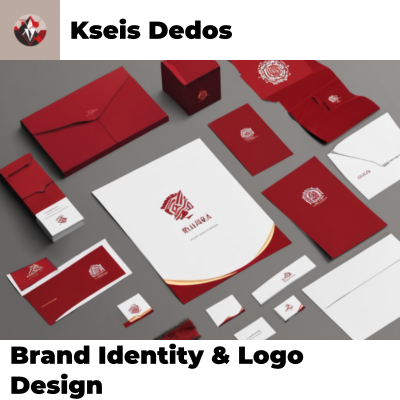
Your business exists in a crowded marketplace. Every single day, potential customers encounter dozens—sometimes hundreds—of brands competing for their attention. The difference between being noticed and being forgotten often comes down to one thing: a cohesive, memorable visual identity. When you walk into a store or scroll through social media, what makes you stop? It's rarely the product alone. It's the visual presentation, the colors, the typography, the logo that communicates something deeper about the brand's values and mission.
A professional brand identity extends far beyond slapping a company name onto a piece of paper. It's a comprehensive visual language that speaks to your audience before they ever hear a word from your sales team. Consider this: studies consistently show that consumers form opinions about brands within milliseconds of visual exposure. That initial impression determines whether someone clicks away or leans in closer. When you invest in professional brand identity and logo design services, you're essentially investing in that critical first impression—the gateway to customer relationships.
Understanding What Brand Identity Actually Encompasses
Many business owners misunderstand what constitutes a complete brand identity. It's not just a logo, though the logo serves as an anchor. Brand identity includes your color palette, typography choices, imagery style, tone of voice in written communications, and how these elements work together across all platforms. Think about seeing the golden arches of McDonald's—you recognize it instantly, whether you see it on a billboard, a receipt, or a building from miles away. That's the power of integrated brand identity.
The complexity here is worth understanding fully. When Kseis Dedos, a local creative studio offering distinctive design, artisan products, and personalized services, approaches brand identity design, they're thinking about how your visual elements will function across business cards, websites, social media profiles, packaging, signage, and beyond. Each touchpoint needs consistency while also adapting appropriately to its medium.
Why Generic Design Templates Fall Short
You might be tempted to use DIY design platforms or generic templates available online. These tools offer convenience and low upfront costs. However, they come with significant drawbacks. Template-based designs often look amateurish because thousands of other businesses might be using variations of the same template. Your brand becomes indistinguishable. Custom, professional design ensures your brand identity is unique, tailored specifically to your business goals, target audience, and market position.
Professional designers conduct research. They study your industry, analyze competitors, understand your unique value proposition, and translate all of this into visual form. This depth of analysis separates mediocre branding from exceptional branding that actually moves the needle for your business.
The Strategic Process Behind Effective Logo and Brand Design
Professional brand identity design isn't about the designer simply sitting down and creating something pretty. It follows a structured methodology grounded in strategy and psychology. Understanding this process helps explain why professional services deliver superior results compared to amateur attempts.
Discovery and Strategy Phase
The journey begins with deep exploration. Before any sketches happen, professional designers need to understand your business inside and out. This phase typically involves:
- Comprehensive business analysis - understanding your products or services, your unique selling propositions, and what genuinely differentiates you from competitors
- Target audience research - identifying demographics, psychographics, behaviors, and preferences of your ideal customers
- Competitive landscape assessment - examining how similar businesses present themselves visually and identifying opportunities to stand out
- Values and vision clarification - articulating the core principles that guide your business and the future you're building toward
- Market positioning strategy - determining whether you're premium, value-focused, innovative, traditional, or some combination of these attributes
This discovery phase is where the real work happens. Many inexperienced designers skip or rush through this stage, jumping straight to aesthetics. Professional brand identity designers recognize that strategic foundation is absolutely essential. Without it, you end up with designs that look nice but don't actually serve your business objectives.
Visual Development and Concept Creation
Once strategy is established, designers begin visual exploration. This involves creating multiple concept directions, each exploring different visual languages and design approaches. Rather than presenting one option, professional studios typically develop three to five distinct directions, each with a different personality and strategic rationale.
Consider what this means practically. One concept might emphasize tradition and established expertise. Another might highlight innovation and forward-thinking approaches. A third might focus on accessibility and approachability. Each direction uses different color palettes, typography styles, and design elements to communicate distinct brand personalities.
Why Local Expertise Matters for Your Brand Identity
Geographic location matters more than many business owners realize. A local creative studio like Kseis Dedos brings advantages that remote or large national agencies cannot replicate. Understanding your local market context, community preferences, and regional business culture directly influences the quality of brand identity work.
Community Connection and Market Understanding
Local designers understand the nuances of your specific marketplace. They know which visual approaches resonate with local customers. They understand regional design preferences, cultural sensitivities, and what feels authentic within your community context. This doesn't mean creating a design that's exclusively local—rather, it means grounding your brand identity in authentic local understanding while potentially reaching beyond geographic boundaries.
Personalized Service and Ongoing Collaboration
Working with a local studio enables a different kind of relationship. You can meet face-to-face. You can have real-time conversations. You can build an ongoing partnership rather than a transactional one-off project. This matters tremendously because effective brand identity development often requires iteration, refinement, and collaborative problem-solving.
Accessibility and Long-term Support
When your brand identity designer is local, they remain accessible for future needs. As your business evolves, you might need brand extensions, additional collateral, or refreshes to your identity system. Having an established relationship with a local team means you can quickly and efficiently handle these needs without searching for a new vendor each time.
The Tangible Business Impact of Professional Brand Identity Design
Here's where theory becomes practical. Investing in professional brand identity design produces measurable business outcomes. These aren't abstract benefits—they directly impact your bottom line.
Increased Brand Recognition and Recall
Professionally designed visual identities are inherently more memorable. When your logo, colors, and typography work together strategically, customers remember you. They can recall your brand from mental association with your visual identity alone. This recall translates into preference and purchase behavior. Studies in neuromarketing show that visual consistency and professional design quality increase brand recall by substantial margins compared to amateur or inconsistent branding.
Price Premium Perception
Here's a psychological reality: customers associate professional branding with business quality. A well-designed identity communicates that you're established, trustworthy, and detail-oriented. This perception often justifies price premiums. Customers are willing to pay more for products and services from brands that present themselves professionally. Your brand identity essentially gives you permission to charge more because the visual presentation creates perceived value.
Customer Trust and Credibility
People do business with brands they trust. Sloppy, amateur, or inconsistent branding generates skepticism. Customers unconsciously wonder: if this company can't even get their brand design right, how much care do they put into their actual products or services? Professional brand identity removes this doubt. It signals competence and professionalism before any transaction occurs.
Competitive Differentiation
Every business has competitors. The question is whether customers can easily tell you apart from those competitors. Generic branding ensures you blend into the background. Professional, distinctive brand identity makes you stand out. This differentiation is crucial for customer acquisition and retention. When potential customers encounter you alongside competitors, your superior visual presentation can be the deciding factor.
Employee Pride and Recruitment
Your brand identity affects internal stakeholders too. Employees take pride in working for companies with strong, professional brands. This pride translates into better customer service, increased motivation, and stronger company culture. Additionally, when recruiting talent, a professional brand identity helps attract higher-quality candidates who want to work for companies that appear established and successful.
Key Elements That Professional Brand Identity Design Must Address
Understanding what comprises a complete brand identity system helps clarify what you should expect from professional design services. Incomplete brand identity work leaves gaps that create inconsistency and confusion.
Logo Design That Communicates Strategy
Your logo serves as the cornerstone of your visual identity. However, effective logos accomplish multiple things simultaneously. They need to be:
- Memorable - simple enough to stick in people's minds but distinctive enough to stand apart from competitors
- Versatile - functioning effectively across sizes, contexts, colors, and mediums without losing recognition
- Timeless - avoiding trendy elements that quickly date the design while remaining contemporary and relevant
- Appropriate - communicating the right impression about your business, industry, and market position
- Unique - genuinely differentiated from existing logos in your industry
Poor logos often fail on multiple fronts. They might be overly complicated, difficult to recognize at small sizes, or derivative of competitor logos. Professional designers create logos that succeed across all these dimensions through strategic exploration